May 7, 2026
Explore the growing trend of artificial turf installation in residential properties and its potential impact on property value. This article will examine various aspects, benefits, and concerns surrounding artificial turf, providing a comprehensive overview for homeowners considering this upgrade.
Understanding Artificial Turf
Definition and Composition
Artificial turf is a surface made to look like natural grass, composed of synthetic fibers. The material predominantly used includes polyethylene, polypropylene, and nylon, each offering its unique benefits and textures. Manufacturing involves intricate processes to support durability and a realistic appearance. Over the years, innovation in synthetic turf has led to UV-resistant and drainage-efficient products. Today, artificial lawns closely mimic the visual and tactile qualities of natural grass.
Evolution and Innovation
Since its inception, artificial turf has evolved significantly in terms of quality and application. Initially introduced in the 1960s for sports fields, it has since found a place in residential landscapes. Technological advancements have enhanced the realism, durability, and safety of these synthetic landscapes. The product offerings now include varieties that cater to different climates and usage scenarios. Rapid innovation continues to drive consumer interest, making artificial turf a popular choice for modern landscaping projects.
Types of Artificial Turf
A wide array of artificial turf types caters to diverse needs, from athletic fields to residential lawns. Homeowners can choose from turf designed for low-maintenance yards to plush varieties for aesthetics. Each type varies in pile height, color, and density, providing options to suit personal preferences and practical needs. It’s important to consider the specific use before selecting a type, as it influences performance and longevity. Specialized turfs are also available for recreational areas, pet-friendly spaces, and children’s play zones.
Cost Comparison With Natural Grass
When comparing artificial turf to natural grass, differences in cost structure become apparent. Although artificial turf installation can involve a higher upfront cost, the long-term savings can outweigh these expenses. Natural grass incurs ongoing costs such as watering, mowing, and fertilization, adding to maintenance budgets. Therefore, despite being cheaper upfront, natural lawns can be more expensive over time. According to This Old House, 63% of homeowners would prioritize investing in an outdoor living space if they were to remodel, suggesting a willingness to explore long-term value enhancements like artificial turf.
Durability and Maintenance
Artificial turf is known for its durability and ability to withstand significant wear and tear. While natural grass may suffer from heavy foot traffic and adverse weather, artificial turf remains intact. Maintenance primarily involves brushing and rinsing to remove debris, as opposed to the intensive care natural grass demands. Furthermore, artificial turf’s resistance to pests and diseases contributes to its low-maintenance appeal. These attributes make it a practical option for homeowners seeking both resilient and manageable outdoor spaces.
Financial Implications of Artificial Turf Installation
Initial Investment
Artificial turf installation requires a significant initial investment, encompassing material and labor costs. Prices can range based on turf quality, area size, and the difficulty of the project. However, the elimination of future lawn care expenses can justify this upfront expenditure. A key consideration is employing professional services to support proper installation and long-term performance.
Understanding the investment scope helps homeowners make informed decisions about enhancements to their property’s landscape.
Long-Term Cost Savings
One of the major benefits of artificial turf is the potential for significant long-term savings. The reduction in water bills alone makes a compelling case for its installation, especially in areas facing water restrictions. Additionally, the absence of routine maintenance like mowing and fertilization further cuts costs.
Over time, these savings may surpass the initial investment in synthetic lawns.
This financial efficiency can support the argument for transitioning from traditional to artificial landscapes.
Return on Investment
Calculating the return on investment is an important step when considering artificial turf. Despite high initial costs, savings on maintenance can lead to a favorable ROI. Moreover, artificial turf installation may enhance curb appeal and attract eco-conscious buyers, potentially raising property value. However, ROI is influenced by factors such as location, property type, and market conditions. Homeowners should perform a detailed analysis to assess potential gains relative to their specific circumstances and goals.
Impact on Home Appraisal
Artificial turf installation can affect a property’s appraisal value positively under the right circumstances. When properly installed and maintained, it can elevate the aesthetic appeal of a home significantly. However, the impact may vary depending on regional buyer preferences and climate considerations. Synthetic lawns in drought-prone areas, for instance, may be perceived more favorably due to their water-saving benefits. Understanding these variables is critical in anticipating how artificial grass might influence financial appraisals.
Market Trends and Buyer Preferences
Current market trends show a rising preference for low-maintenance, sustainable landscaping solutions. Buyers are increasingly valuing outdoor spaces, often considering them an extension of home living areas. Artificial turf meets these consumer trends, marrying practicality with aesthetic value. As demand grows for eco-friendly amenities, synthetic lawns are seen as an attractive feature for prospective homeowners. This shift in preference can boost market value, benefiting sellers who invest in such upgrades.
Aesthetic and Practical Benefits
Curb Appeal Enhancement
Artificial turf installation gives homeowners a lush, green landscape regardless of seasonality. Its consistent appearance provides an attractive and tidy first impression to visitors and potential buyers. Realistically replicating the appearance of healthy grass, synthetic lawns add elegance to residential properties. This visual improvement can translate into increased buyer interest and potentially higher property value. Homeowners aiming for an eye-catching exterior often consider artificial turf an ideal solution.
Year-Round Usability
An appealing advantage of artificial turf is its year-round usability. Unlike natural grass that varies with the weather and requires downtime for maintenance, artificial turf remains pristine. Families and children can enjoy outdoor recreational activities regardless of the season, without damaging the lawn. This continual usability positively impacts lifestyle, making synthetic lawns a valuable addition for active households. Across varying climates, artificial turf delivers a consistent surface for leisure and hosting outdoor gatherings.
Pest Control Advantages
Artificial turf naturally deters pests, offering an added layer of protection to residential properties. The absence of soil and organic material reduces the habitat for insects and rodents. This reduction in pest activity translates into fewer chemical treatments and maintenance interventions. Consequently, homeowners experience a decrease in pest-related nuisances often associated with natural lawns. The pest-resistant quality of synthetic grass adds to its appeal for those prioritizing safety and cleanliness.
Environmental Considerations
Artificial turf offers both positive and negative environmental impacts. On the one hand, it reduces water consumption and eliminates the need for pesticide use. However, the production and disposal of synthetic materials pose ecological challenges. Balancing these factors is key when considering the environmental sustainability of artificial turf. Ultimately, responsible decision-making and proper recycling can mitigate the ecological footprint of synthetic landscapes.
Customization and Landscaping Opportunities
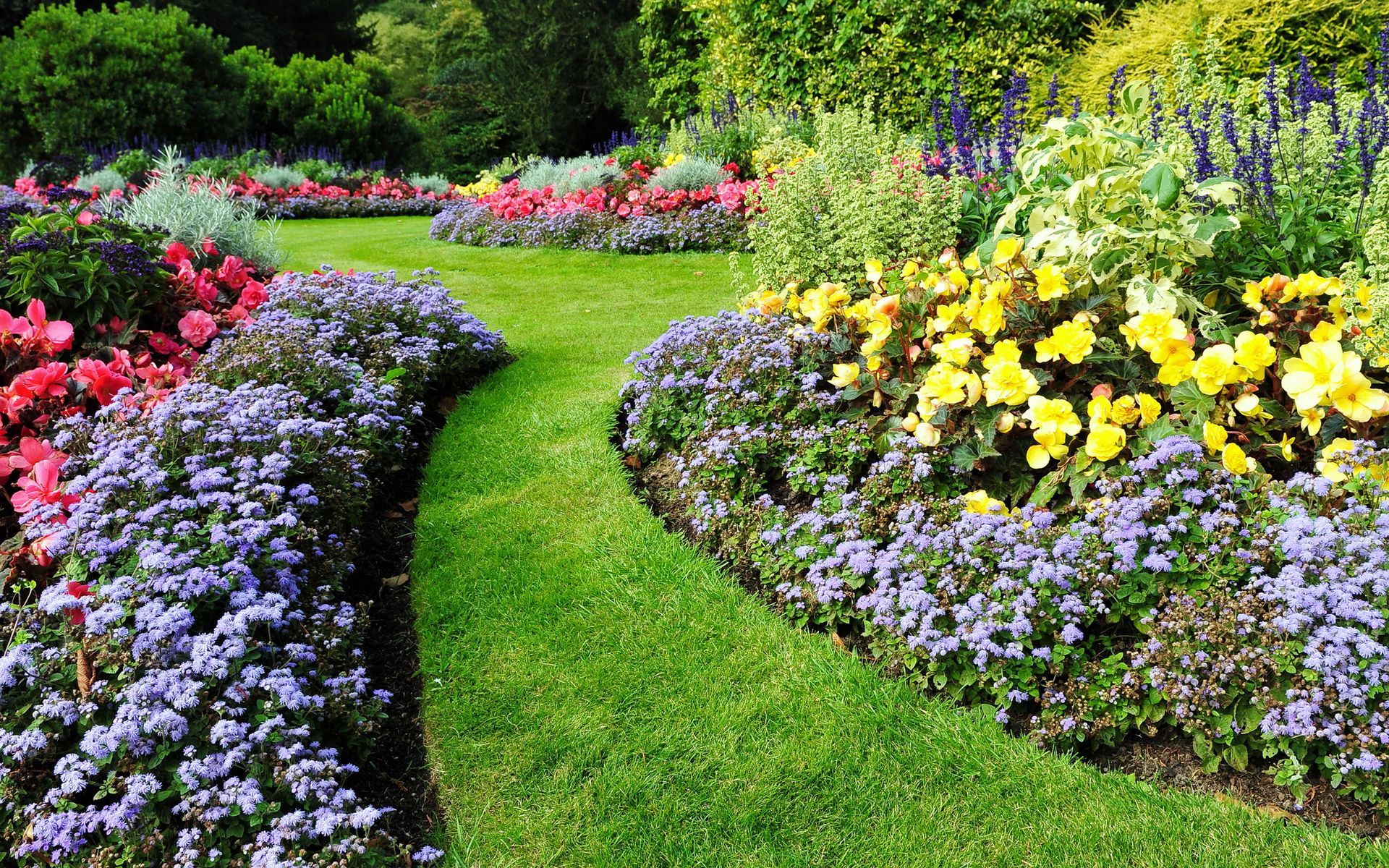
Artificial turf installation opens up a multitude of customization and design opportunities. Its versatility allows homeowners to explore creative landscaping designs, such as intricate garden layouts or kids' play areas. Professional installers can seamlessly integrate synthetic lawns into any outdoor setting, enhancing its function and appeal. Homeowners can choose from various textures and shades to match personal style and environmental needs. This flexibility meets diverse landscaping goals, from minimalist designs to lush, elaborate grounds.
Artificial turf installation can offer a wide range of benefits and considerations for homeowners, affecting property value, practicality, and environmental impact. Thoughtful examination across aesthetic, financial, and ecological dimensions can inform potential turf investments. A balanced approach that weighs both functional needs and market trends can help homeowners make smart landscape improvements. Ultimately, a well-reasoned decision can provide rewarding outcomes for those considering this versatile and resilient outdoor upgrade. Contact HomeTurf today to schedule your services.