June 16, 2026
Your carefully cultivated outdoor property holds incredible potential to serve as a stunning, functional extension of your living space. Many homeowners invest significant time and money into routine mowing, watering, and fertilizing, yet find that the overall aesthetic remains uninspiring. When your yard feels more like a chore list than a sanctuary, it is highly likely that your current lawn care strategy is missing the guiding principles of great landscape design. Bridging the gap between basic maintenance and professional design can completely transform your entire outdoor experience.
True property transformation involves looking past simple green grass and considering how every element interacts to create a beautifully cohesive ecosystem. Without a thoughtful layout, even the healthiest turf can look isolated, cluttered, or flat. By recognizing the critical indicators that your outdoor maintenance routine needs an artistic upgrade, you can shift your focus toward long-term beauty and functionality.
Evaluate Your Visual Cohesion
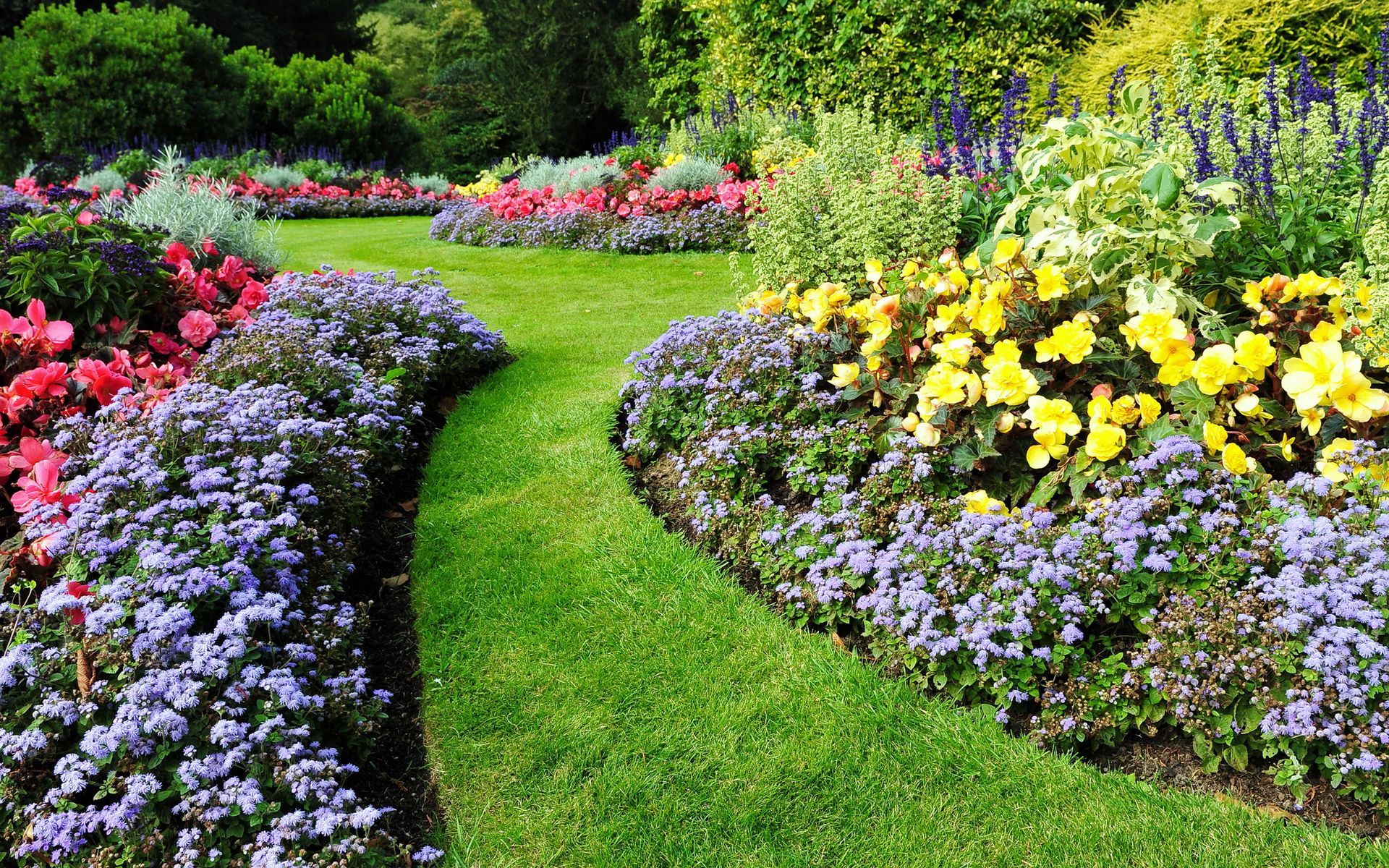
A truly stunning yard relies heavily on a unified aesthetic where every single plant and feature works in absolute harmony. When plants are selected haphazardly based purely on individual store purchases rather than an overarching vision, the visual appeal of your property suffers. It is vital to consider how mature sizes, varying foliage textures, and contrasting plant colors blend together. Without this strategic coordination, your thoughtfully structured garden beds risk looking like a chaotic assortment rather than a deliberate composition that elevates your standard lawn care routine.
Visual disconnect also manifests through clashing hardscape materials and inconsistent design themes across different areas of your property. If your brick patio clashes with a modern stone walkway, or if a formal garden abruptly transitions into a rustic woodland patch, your landscape lacks a central narrative. A professional design integrates paths, patios, and plant life under a single blueprint that complements your home’s architectural style. Establishing this thematic consistency ensures that your ongoing investment in lawn care yields a polished, breathtaking outdoor environment.
Optimize Your Spatial Layout
Efficient space utilization stands as a cornerstone of excellent landscape architecture, turning an ordinary yard into a highly usable outdoor living area. Homeowners frequently make the mistake of overcrowding flower beds or neglecting awkward corners and edges, leaving substantial portions of their property completely wasted. Plants require adequate spacing to ensure highly critical airflow, reduce disease risks, and allow each species room to thrive beautifully. By introducing deliberate layout planning, you can transform forgotten property boundaries into intentional seating nooks or vibrant focal zones.
This spatial optimization applies directly to your pathways and the overall footprint of your turf. Narrow, poorly constructed paths restrict movement and lower accessibility, while massive, overextended grassy areas often become tedious, high-maintenance burdens. Shifting away from a massive, singular turf area allows you to introduce distinct functional zones for dining, playing, and relaxing. Integrating these diverse spaces reduces the pure surface area requiring constant attention, improving the efficacy of your weekly lawn care schedule.
Define Your Garden Borders
Clearly defined borders provide the essential structure that keeps an outdoor space looking clean, organized, and intentionally styled. When garden edges blur directly into your turf, grass easily invades your flower beds, creating a messy appearance and complicating your routine maintenance. Utilizing high-quality edging materials like stone, brick, or metal establishes distinctly clean boundaries that prevent invasive root spreading. This crisp delineation not only protects your delicate plants but also makes your regular lawn care tasks significantly faster and more satisfying to complete.
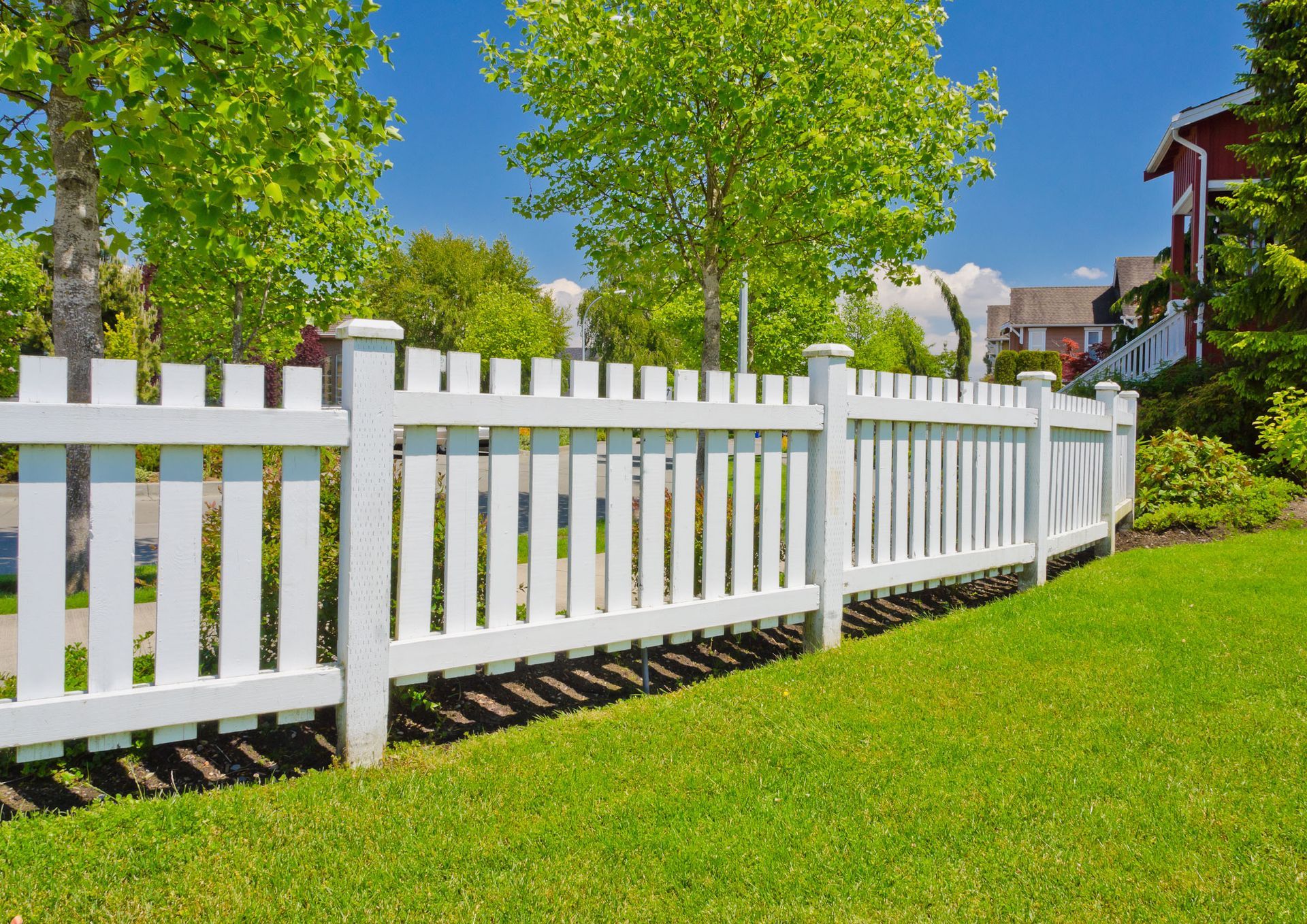
Proper boundaries also include managing the vertical transitions and preventing your structural hedges or shrubs from becoming completely overgrown. Unchecked growth obscures important sightlines, minimizes walkway accessibility, and disrupts the overall aesthetic balance of your property. Incorporating clear transitional zones, such as low hedges or gravel borders, helps guide visitors seamlessly between different outdoor rooms. Maintaining these sharp boundaries shows a dedication to proactive management that ensures your beautiful green grass is properly framed by tidy, controlled greenery.
Introduce Striking Focal Points
A captivating landscape requires distinct visual anchors that intentionally guide the eye and create memorable impressions across your property. Without strikingly unique centerpieces, large yards can feel completely flat, monotonous, and uninspiring, regardless of how green the grass might be. You can introduce stunning focal points using architectural plantings, elegant water features, or unique sculptures that draw immediate attention. Elevating your front yard curb appeal and creating a beautiful entryway design sets a welcoming tone that celebrates your entire home.
Achieving year-round visual interest requires planning for changing seasons and installing strategic lighting features that extend your property's beauty into the night. Relying solely on springtime blooms means your yard may look dull during autumn and winter months. Incorporating plants with vibrant fall foliage or striking winter bark ensures a dynamic display throughout the entire year. Pairing these seasonal highlights with balanced, layered landscape lighting accentuates your favorite features and brings safety to your evening lawn care views.
Respect Local Environmental Factors
Designing a successful outdoor space requires working in direct harmony with nature rather than constantly fighting against local conditions. Selecting non-native plants often results in a frustrating cycle of high resource consumption, constant chemical interventions, and disappointing plant health. Native species flourish naturally in local soils and weather patterns, offering incredible resilience and ecological benefits. Embracing these sustainable options minimizes your environmental footprint while providing a thriving habitat that invites vibrant local pollinators and native birds into your yard.
Environmental awareness also means addressing critical terrain elements like water drainage and distinct microclimates across your property. Ignoring proper grading or failing to redirect heavy rainfall can lead to severe soil erosion, pooling water, and drowned plant roots. By identifying specific sun traps, windy zones, or shaded areas, you can position your plants exactly where they will succeed best. This proactive environmental integration protects your property from severe weather damage and forms a solid foundation for an efficient, eco-friendly lawn care routine.
Balance Your Upkeep Demands
An overemphasis on complex maintenance often indicates that your property layout lacks an efficient, sustainable design framework. According to LawnStarter, typical property owners devote an average of roughly 70 hours annually to managing their turf grass. Spending this immense amount of personal time on tedious mowing, weeding, and chemical applications can quickly sap the joy out of owning a home. Transitioning toward low-maintenance turf species or replacing excessive grass with drought-tolerant ground covers allows you to reclaim your valuable weekends.
Overdependence on frequent irrigation, constant fertilization schedules, and aggressive weed control often stems from poor initial plant selection and layout choices. When you choose species suited to your specific soil type and microenvironment, you eliminate the need for constant, labor-intensive interventions. Utilizing rich organic compost and thick protective mulch layers suppresses unwanted weed colonization naturally while maintaining soil health over time. Balancing these upkeep demands ensures your outdoor space remains a peaceful sanctuary for relaxation rather than a source of endless chore frustration.
Successfully merging professional landscape design with your routine lawn care efforts is the absolute key to unlocking your property's full potential. Recognizing the distinct warning signs of a poorly structured yard allows you to pivot from frustrating, endless maintenance toward meaningful, long-term enhancements. When you invest in a cohesive theme, efficient spatial zoning, and sustainable environmental practices, your yard transitions into a beautiful, seamless extension of your indoor living space. Contact us at HomeTurf today to transform your property layout.