July 8, 2026
The increasing interest in sustainable landscaping solutions has many homeowners saying goodbye to their traditional lawn maintenance routines. Goodbye Mowing, Hello Green explores the modern trend of artificial grass installation, offering a comprehensive look at its benefits, installation processes, and maintenance.
Understanding Artificial Grass
The Composition of Synthetic Turf
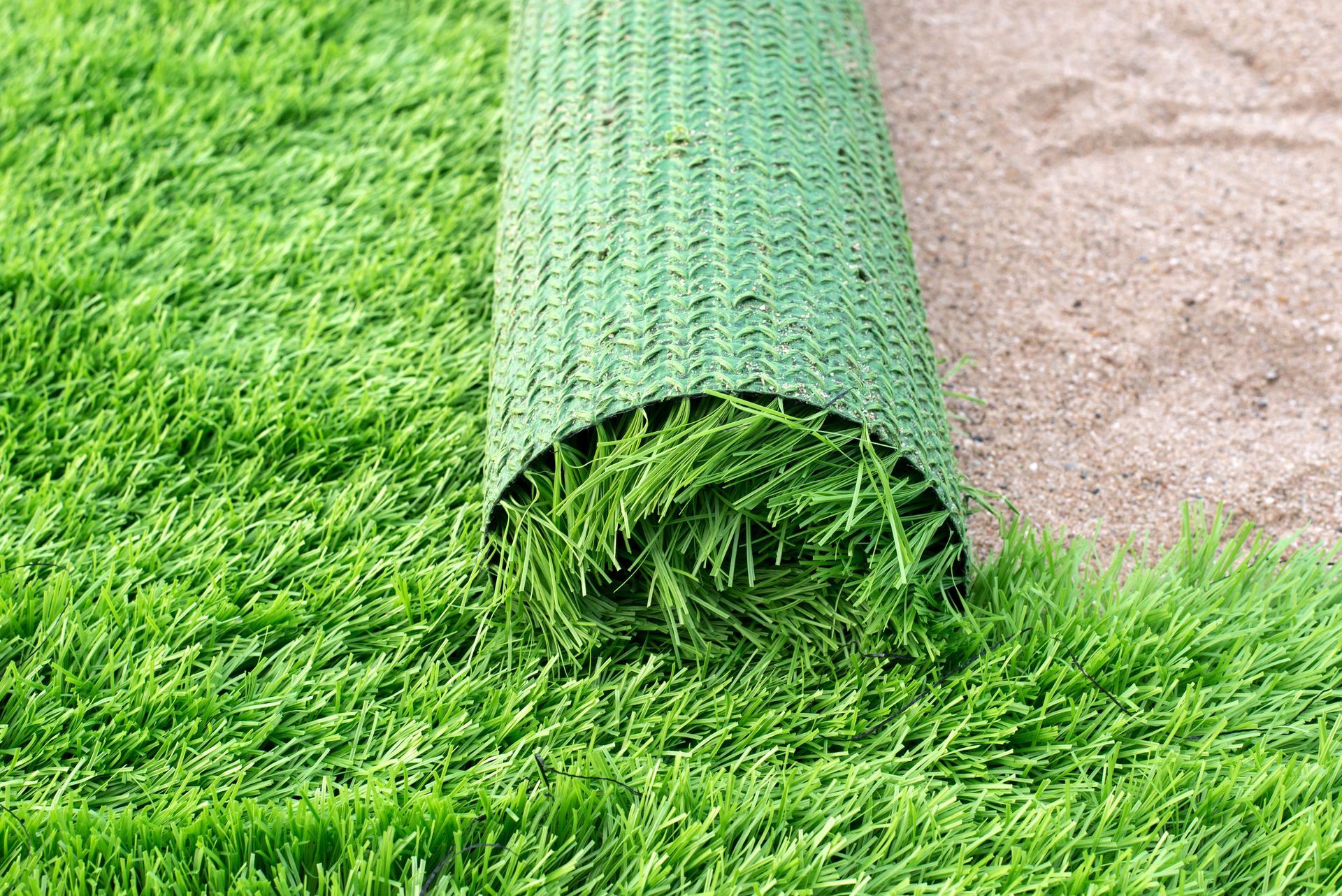
Artificial grass is composed of synthetic fibers designed to mimic the look and feel of real grass. Typically, it consists of three main layers: the backing, the infill, and the fibers. The backing is usually made from either polypropylene or polyurethane, providing structure and durability. The fibers, which are the visible part resembling grass blades, are often composed of polyethylene or nylon. Finally, infill materials like sand or rubber granules are used to weigh down the turf, ensuring stability and a natural playing field.
Recent technological advancements have significantly enhanced the quality and appearance of synthetic lawns. Modern versions can now closely mirror the lush green of natural turf, complete with variation in blade lengths and colors. Some newer models even incorporate anti-reflective technology to prevent unnatural shine. The improvements in UV resistance help maintain the grass's vibrant color over the years.
According to Houston Turf, irrigating a 1,500-square-foot natural lawn in California demands roughly 37,000 to 40,000 gallons of water annually. By minimizing the need for water and reducing chemical runoff, choosing a professional artificial grass installation offers a more sustainable alternative for those seeking eco-friendly landscaping solutions. As a result, today's synthetic turf exhibits remarkable realism, appealing to even the most discerning homeowners.
Advancements in Turf Technology
Advancements in technology have revolutionized the uses and applications of synthetic grass. Through the integration of new materials and design techniques, manufacturers have been able to produce turf that not only looks like real grass but also feels similar. Innovations such as the introduction of multi-tone fibers add depth and a natural appearance to any artificial grass installation. Meanwhile, engineered blades are now able to withstand heavy foot traffic, making them ideal for homes, commercial properties, and sports fields.
One of the most significant technological improvements is enhanced durability. Earlier versions might have suffered from wear and degradation due to environmental factors such as UV exposure and adverse weather conditions. However, today's products offer superior resistance and longevity. Innovations like UV-stabilized fibers prevent discoloration, ensuring the grass maintains its fresh appearance over time. Additionally, better drainage systems allow the turf to handle heavy rainfall efficiently, reducing the risk of pooling water or damage to the underlying structure.
Benefits of Upgrading Your Lawn
Water Conservation and Savings
Water conservation is one of the most compelling benefits of opting for a new artificial grass installation. In arid regions or areas experiencing increasing drought frequency, this aspect is particularly critical. Traditional lawns consume large amounts of water, which can lead to expensive utility bills and put a strain on local resources. By choosing synthetic turf, homeowners can significantly cut down on water usage, leading to reduced utility costs and relief on strained water supplies.
Artificial grass supports water conservation efforts by eliminating the need for regular lawn watering. This reduction in water usage is not only beneficial for the individual homeowner in fee savings but also contributes positively to broader community water conservation programs. As global temperatures continue to rise, the ability to lessen water reliance becomes increasingly vital. By integrating synthetic turf, residents in water-scarce regions can enjoy lush outdoor spaces without exacerbating water shortages.
Reduction in Maintenance Efforts
Artificial grass offers an undeniable reduction in routine maintenance requirements. Natural lawns demand continuous care involving regular mowing, fertilizing, pest control, and watering. A professional artificial grass installation drastically decreases or even eliminates many of these tasks, enabling homeowners to enjoy their green spaces without regular attention. Synthetic grass surfaces generally require only periodic brushing and debris removal to maintain optimal appearance and performance.
The substantial reduction in lawn maintenance can also translate to financial savings over time. Regular upkeep of natural lawns incurs ongoing expenses, such as purchasing fertilizers, engaging lawn care professionals, and abiding by strict watering schedules. While costs associated with an initial artificial grass installation are higher, homeowners may experience more substantial overall budget-friendly outcomes. This aspect makes synthetic turf a highly attractive option for cost-conscious property owners looking for an efficient way to balance beauty with brevity.
An Allergen-Free Green Space
Artificial grass provides a distinct advantage through its ability to offer allergen-free outdoor environments. Natural grass produces pollen, which can trigger allergic reactions in susceptible individuals, causing sneezing, itching, and respiratory discomfort. Synthetic turf sidesteps this issue entirely, preserving outdoor enjoyment without aggravating allergic responses. By choosing a quality artificial grass installation, consumers establish outdoor spaces that are welcoming to family and friends of all sensitivities.
Beyond pollen, natural lawns often harbor various allergens like mold and mildew, propelled by the presence and natural decay processes. Artificial grass systems do not support these conditions, thereby significantly decreasing exposure to potential allergens. Children and pets, who commonly spend considerable time outdoors, particularly benefit from this absence of environmental irritants. Respiratory wellness remains an ever-important priority, and synthetic turf provides a solution that aligns well with health-conscious family principles.
Durability and Longevity
The durability and longevity of synthetic turf make it a highly valuable and reliable choice for property owners seeking lower-maintenance landscapes. Unlike natural grass, which can suffer from wear and tear due to high foot traffic or adverse weather, synthetic turf is designed to withstand extended use and remain visually appealing. Advanced manufacturing processes have enhanced the resilience of these surfaces, allowing them to endure sunlight, moisture, and physical impact without losing integrity.
Fluctuating temperatures and increasingly erratic weather patterns may render natural lawns vulnerable to drought or flooding conditions. Amid these changes, an artificial grass installation remains unaffected by such issues, consistently maintaining its vibrant appearance and usability. Homeowners can thus rely on artificial landscapes to remain stable and enriching even when faced with unpredictability. While the initial investment may be higher, the long-lasting nature of synthetic grass ensures meaningful returns over the years.
The Installation Process Explained
Site Preparation and Evaluation
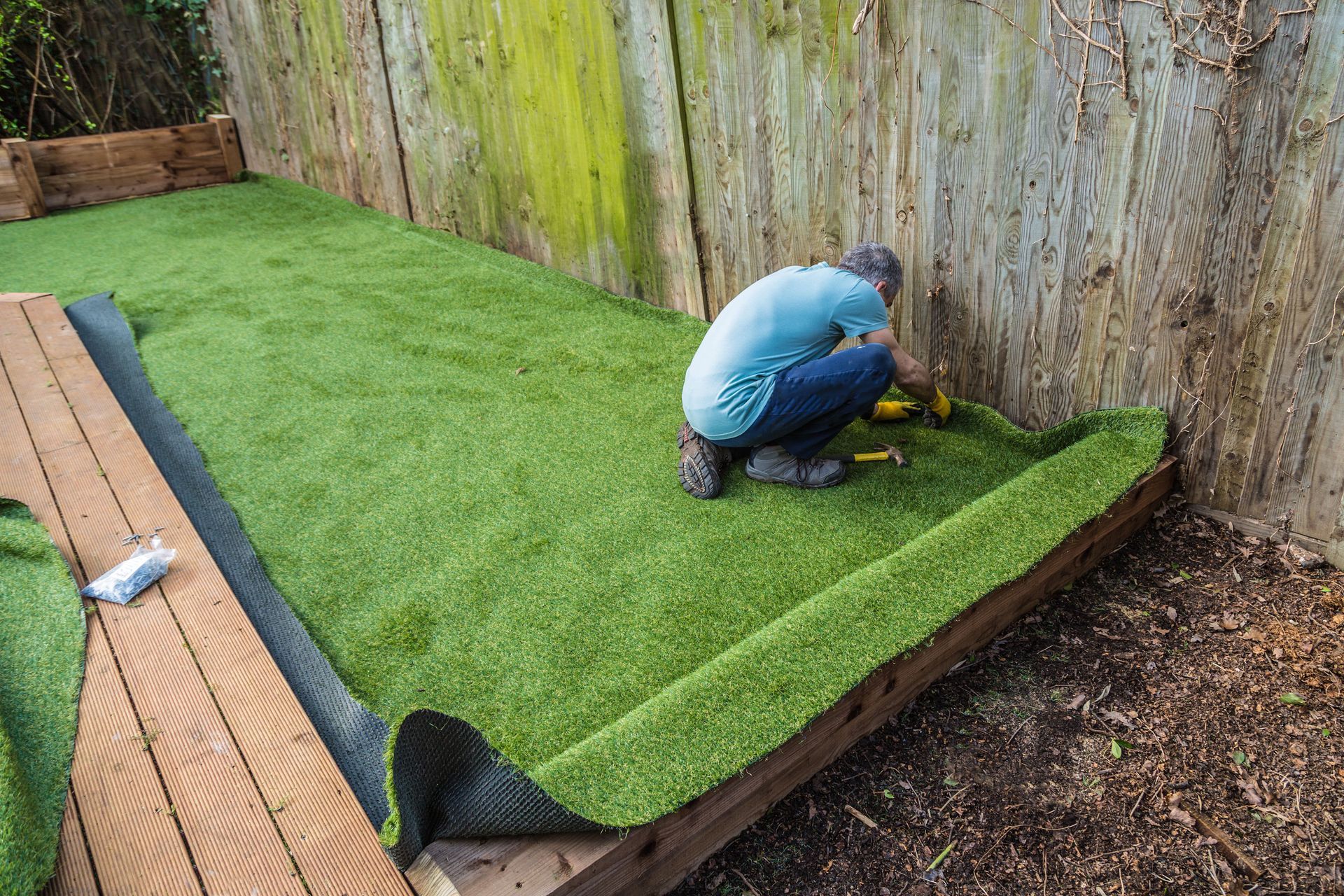
Proper site preparation and evaluation are essential for a successful artificial grass installation. The first step involves assessing the suitability of the site in terms of slope, drainage, and existing soil conditions. Steep inclines may require terracing or additional support to ensure proper turf alignment. Areas with poor drainage need to be addressed with additional groundwork, such as installing a sub-base of crushed rock or other specialized drainage solutions.
Site preparation includes leveling the surface to create an even base for the artificial turf. Removing any existing vegetation is necessary to eliminate competition and ensure a clean surface. Weed growth, in particular, should be addressed by incorporating a high-quality weed barrier fabric, which helps prevent future interference from sprouting through the newly installed grass.
Completing a successful project also involves considering the location's impact on the artificial lawn's performance and aesthetic appeal. Extremely hot areas might necessitate selecting heat-resistant turf, while harsh weather zones may require specific drainage considerations. Expansive lawn areas with high foot traffic, pet activities, or athletic use may require thicker, more rugged grass varieties. Addressing shading or open sun areas ensures that homeowners pick the most enduring choice that fits their location's unique characteristics.
When selecting the right product and team for your artificial grass installation, it is important to focus on quality materials and professional craftsmanship. A well-executed project provides a durable, beautiful, and functional outdoor environment that lasts for years. For more information, contact HomeTurf.